Should a photo tell a story?

Does a photo have to tell a story to be successful? Between forced narrative and an image that merely exists, explore what really gives meaning to a photograph.
Welcome to my Nature and Travel photography blog, where you'll find my latest articles to help you get away from it all ...

Does a photo have to tell a story to be successful? Between forced narrative and an image that merely exists, explore what really gives meaning to a photograph.

Seeing and looking, are they really the same thing? Discover how photography transforms our attention and teaches us to see better. Photography reveals an essential difference between casting our eyes over the world and becoming attentive to what it shows us.

Sometimes all it takes is a photograph: An old boat tied to a jetty, a path disappearing among the ferns, a tiny silhouette facing the ocean. The orange light of a summer evening on the wall of a house. We look at the image and, suddenly,…

Before every photograph there is an invisible moment where everything is decided. Learning not to press the shutter is about developing a calmer, more attentive and more accurate eye, to create images that truly have something to tell.

Photographing silence is not just about seeking calm landscapes or minimalist compositions. It's about learning to organise attention, reduce unnecessary tension, and give the gaze enough space to linger in the image.

Wanting to photograph everything is one of the most common pitfalls in photography. By trying to capture too much, we sometimes end up losing the essential: intention, composition, and the power of the gaze. Learning to choose, slow down, and take fewer but better photographs allows for the creation of more personal, more readable, and more coherent images.

Understanding the physiology of the eye allows for better composition, development and prioritisation of a photograph. Contrast, sharpness, colour, faces, density: discover why certain images immediately catch the eye.

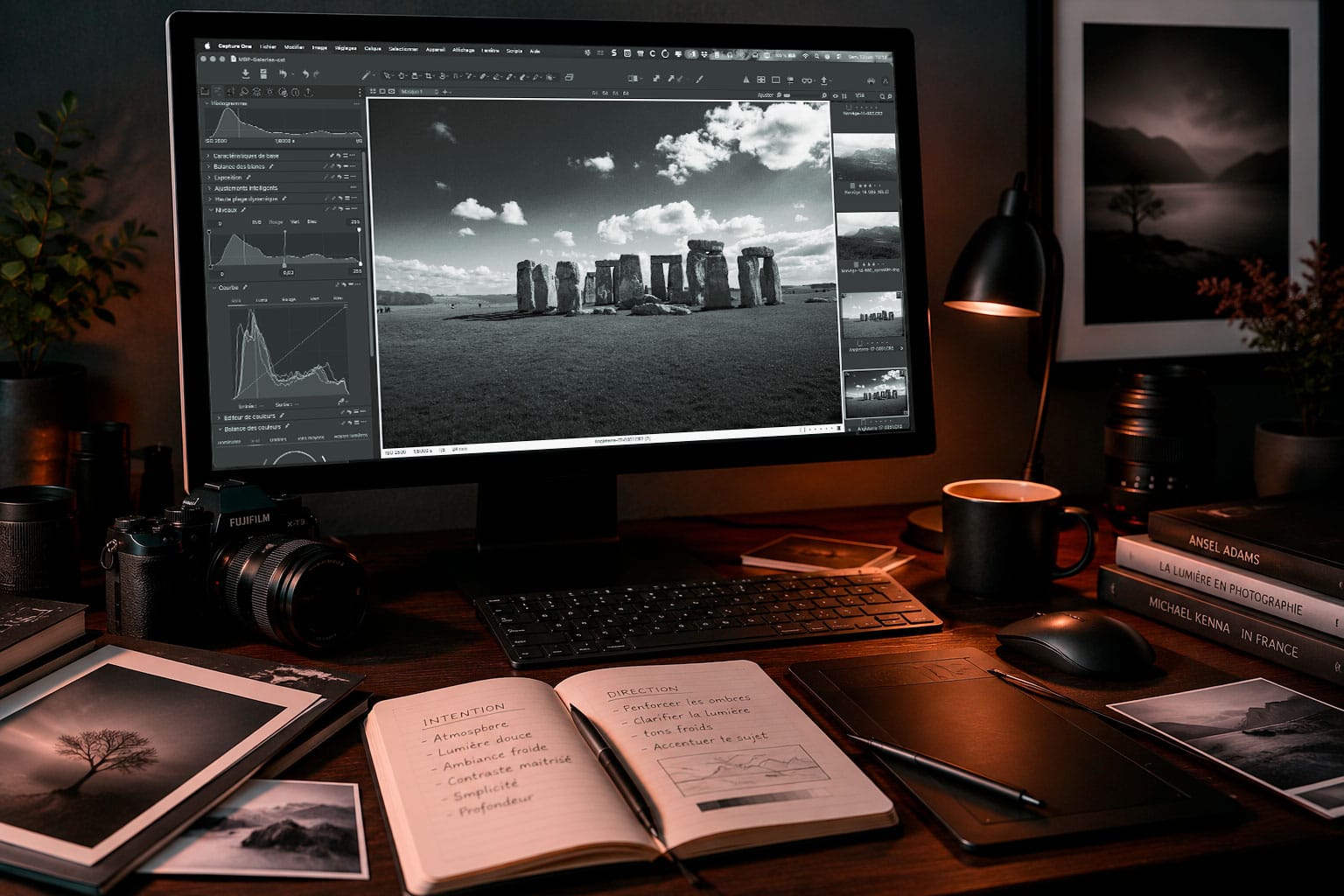
Mastering technique is essential in photography. However, at a certain point, it's no longer the sole driver of progress. To create stronger, more coherent, and more personal images, you need to develop your photographic eye...

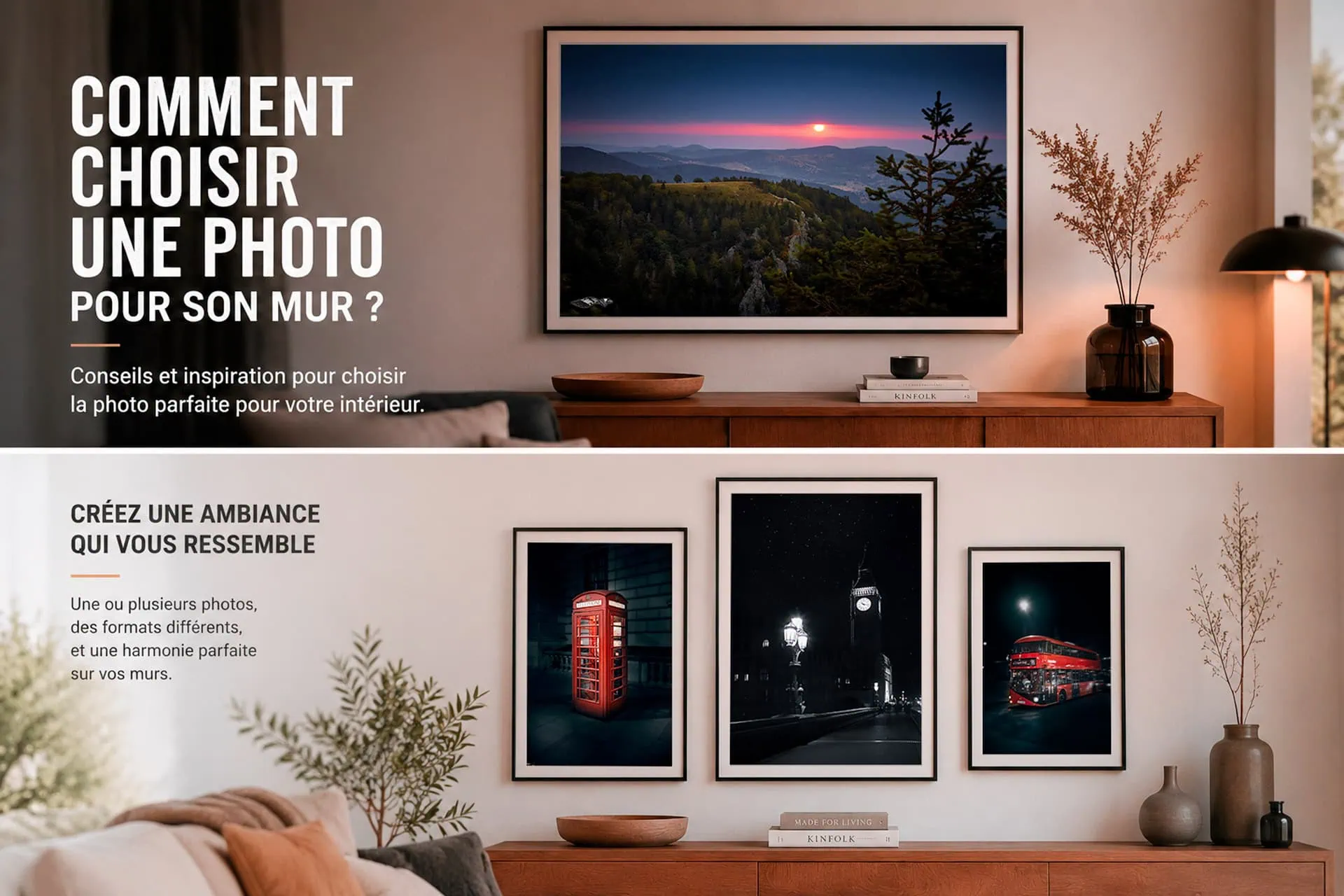
Choosing a photo for your wall is not just about filling an empty space. It's about finding an image that dialogues with your interior, your light, and your sensibility. Colours, format, atmosphere, emotion: here are some pointers for choosing a wall photo that you'll truly live with every day.

What if slowing down was one of the greatest levers for better photography? In nature and when travelling, slowness refines the eye, clarifies composition and even extends its effects in post-production, where taking the time to re-examine an image often prevents over-processing it.